A Hidden Layer of Buildup Inside Modern Coffee Makers May Be Changing the Taste of Every Cup
And a Three-Part Cleaning Formula Is Finally Tackling the Residue Instead of Simply Covering Up the Problem
 Posted By Isabelle Bouchard
Coffee drinkers across Canada are making a familiar complaint:
Their morning coffee just doesn't taste the way it used to.
- A cup that once tasted rich and smooth starts to develop an odd bitter note.
- An espresso that used to be satisfying comes out tasting a little flat.
- Even with the same beans and the same settings, something seems different about the coffee they make at home.

For people who look forward to that first cup every morning, it has been frustrating and somewhat confusing...
Because coffee is supposed to be one of the simplest pleasures of the day.
And no matter how many little adjustments they make, the taste sometimes refuses to go back to normal.
For years, everyone pointed fingers at the usual suspects.
- Some blamed the beans...

- Others blamed the water...

- And many assumed their machine was simply getting old.


But behind the scenes, appliance-maintenance research and manufacturer guidance have been pointing to something many coffee drinkers overlook.
Sometimes the change isn't coming from the coffee itself.
It can come from inside the machine, in places most people never see.

Look closely at what happens inside a coffee maker over time, and one conclusion stands out:
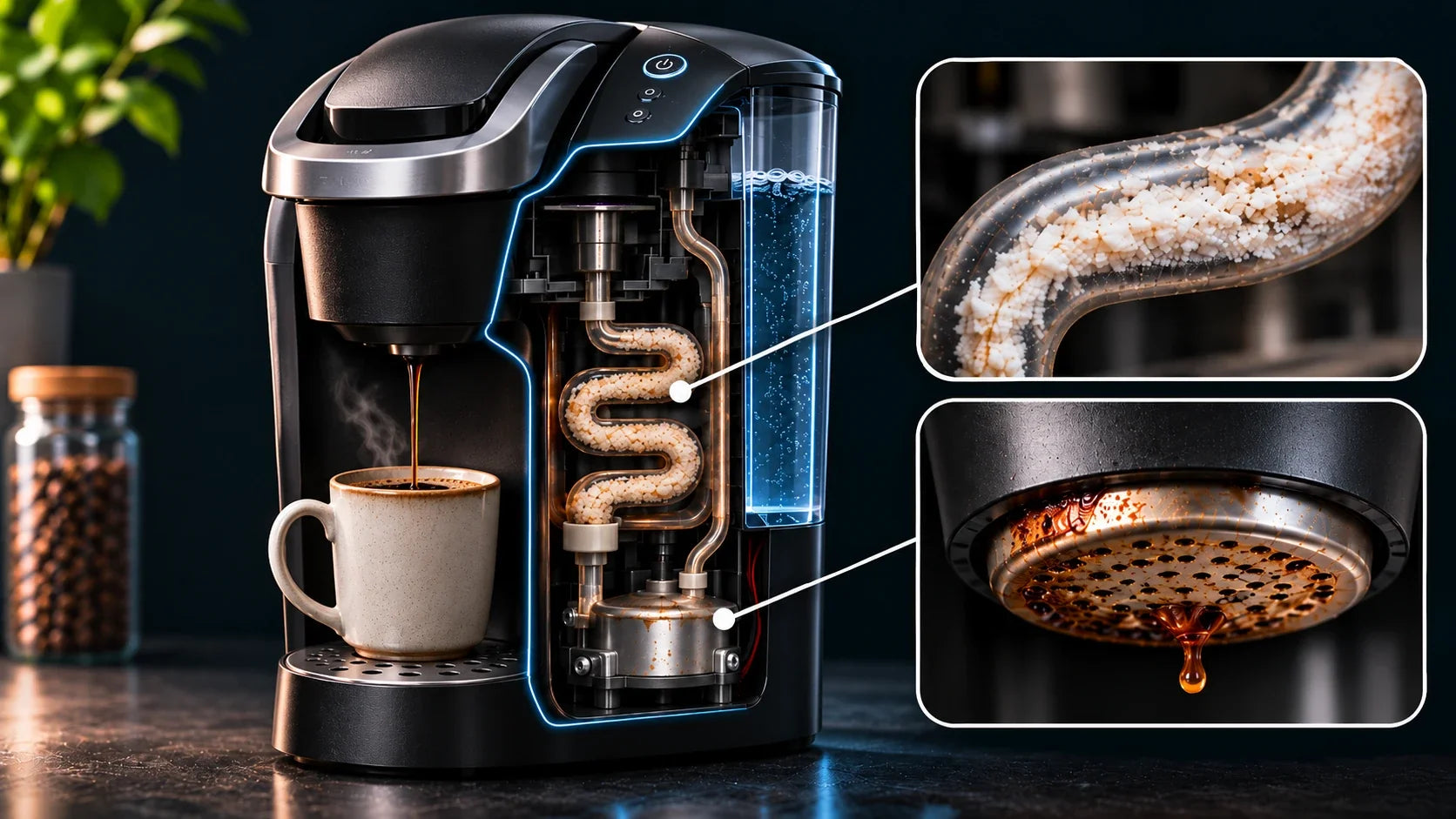
Modern coffee makers can accumulate their own hidden layers of mineral scale and coffee residue.

- Those deposits can remain after an ordinary brewing cycle.
- Minerals from water can collect in the heated parts of the machine.
- Coffee oils can cling to coffee-contact surfaces.
And when buildup is left alone, it can become one more reason the coffee you love doesn't taste or brew the way you expect.
The pattern isn't difficult to understand.
Warm water runs through internal pathways day after day.
Minerals can be left behind as water is heated.
Coffee oils collect wherever brewed coffee or grounds contact parts of the machine.
And ordinary brewing isn't a dedicated cleaning cycle.
Because if your morning coffee suddenly tastes more bitter...
If your machine seems to take longer than it used to...
Or if you notice white deposits inside the water reservoir...
You may be dealing with a maintenance problem inside the machine rather than simply a problem with your beans.
And the distinction between making coffee and cleaning the machine is the first clue in understanding why.
But before we get to the cleaning method that can help, you need to see what is actually happening inside the machine sitting on your kitchen counter.
Because once you understand how this hidden buildup forms, that disappointing morning cup starts to make more sense.

And you realize why your coffee maker cannot always clean itself.
For years, people assumed a coffee maker more or less rinsed itself out.
- Add water.
- Brew your coffee.
- And let the hot water flush everything through.
But the machines in Canadian homes today do much more than heat water in an open pot.

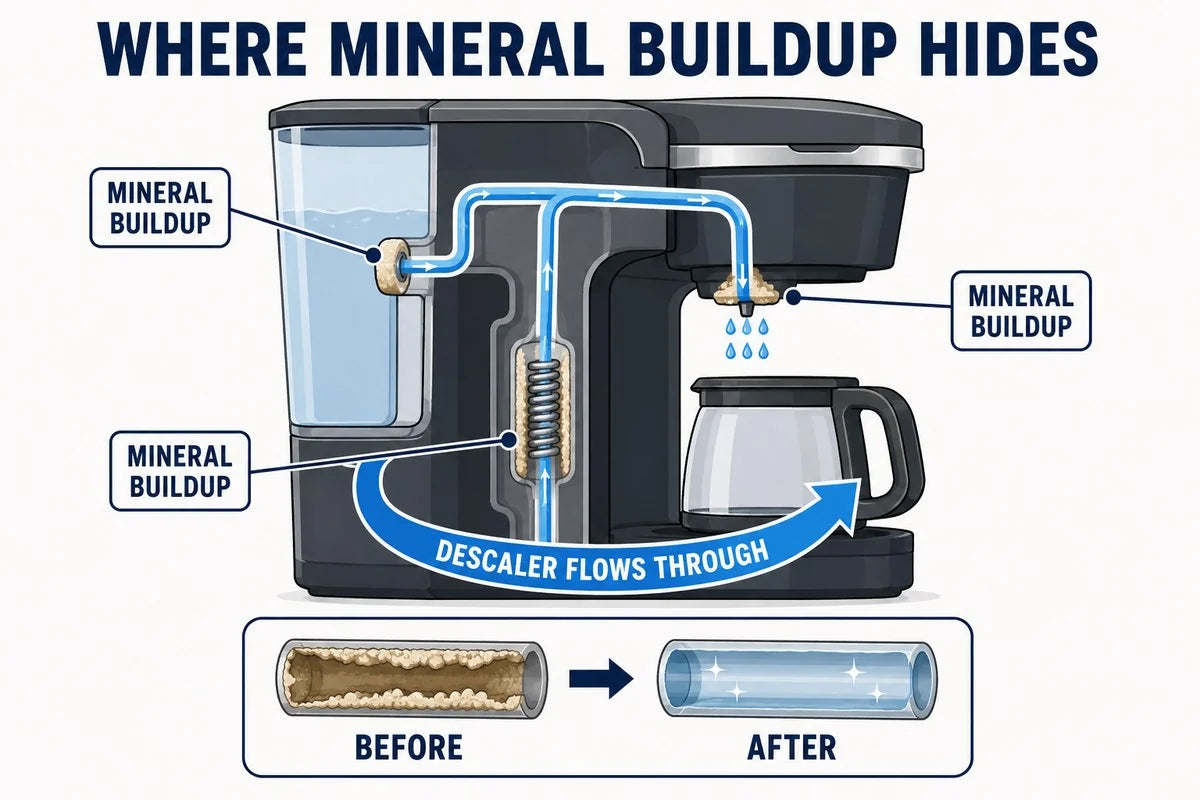
Pod machines, drip brewers and espresso machines move heated water through reservoirs, pipes, valves and brewing components.
That convenience comes with a separate maintenance job.
Minerals in tap water can settle along heated water paths.
And coffee oils can build up on the parts that come into contact with coffee.
Over time, ordinary use can leave behind residue that acts less like a freshly rinsed appliance... and more like a machine that needs a cleaning routine of its own.
So every brew can contribute something new.
Hard-water minerals can form chalky scale.
Coffee oils can leave a stubborn film on compatible brewing surfaces.
And accessible removable parts can collect residue that needs washing by hand.
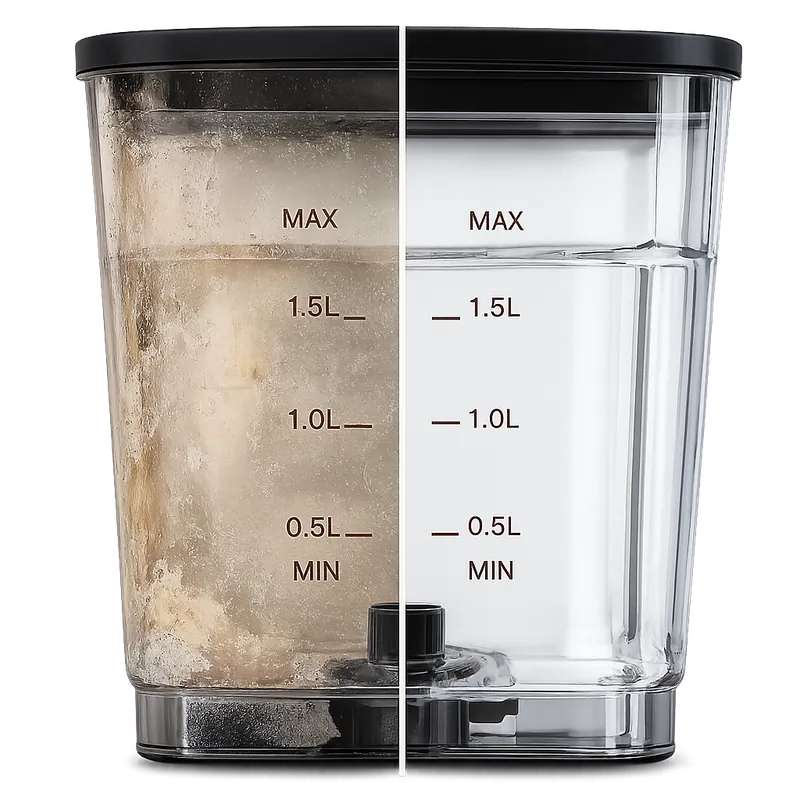
Piece by piece, the deposits can accumulate.
That buildup can affect how water moves through the machine and, in some cases, the way a finished cup tastes.
Which is why changing the beans doesn't always solve the problem.
And if the cause is inside the machine, simply brewing another cup won't remove it.
This leads to the question almost every coffee drinker eventually asks:
If the problem is inside the machine, why doesn't rinsing the coffee maker fix it?
The answer is simple:
Because many of the "fixes" we try are meant for a different job, things like:
- Switching to a different coffee brand
- Adjusting the grind or brew strength
- Running another cycle with plain water
- Pouring vinegar into the reservoir
- Wiping the outside of the machine
- Rinsing the carafe or pod holder
Some of those steps absolutely matter. Bad beans, the wrong grind or poor water can change the taste of coffee, too.
And washing removable parts is an important part of regular care.
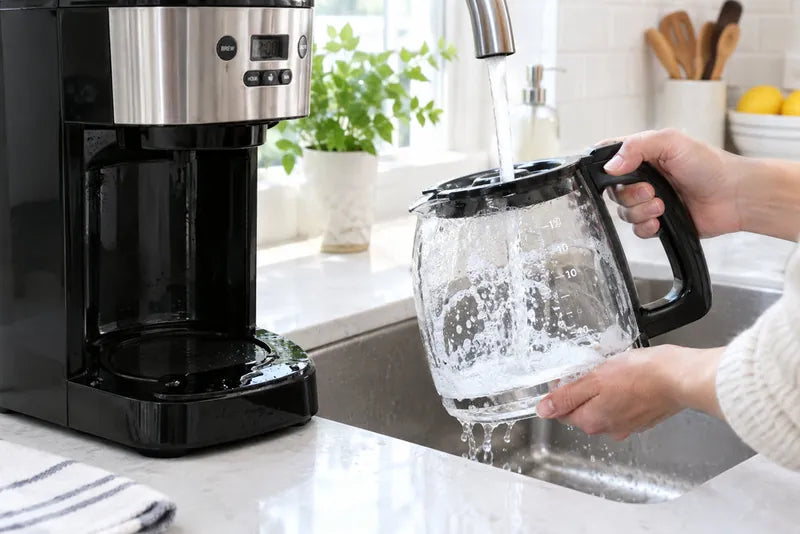
But none of those steps is a universal answer to mineral scale and oily residue inside a machine.
Behind the familiar buttons and water reservoir are different parts doing different jobs.
One set of surfaces carries and heats the water.
Another comes into contact with coffee grounds, brewed coffee or pods.
And the removable basket, carafe and other accessible pieces still need their own routine washing.
Each kind of buildup needs the right kind of attention.
But once you look at what these deposits are made of, the solution becomes easier to understand.
Mineral scale calls for a descaling action.
Coffee oils call for an oil-cleaning action on compatible surfaces.
And removable components may still need to be washed separately.
Different types of buildup.
Different types of cleaning.
And a dedicated coffee-maker maintenance routine helps address the right ones.
That is the difference between simply brewing another pot of coffee... and actually caring for the machine that brews it.
So instead of depending on another rinse or a change of beans, the approach begins with a cleaning or descaling cycle approved for your machine, using a three-part cleaning formula, followed by a complete fresh-water rinse.

- One ingredient helps break down mineral deposits.
- Another helps tackle oily coffee residue.
- A third cleaning ingredient helps lift oils from compatible surfaces.
- The result is a purpose-made cleaning tablet for the machine's maintenance routine, rather than another ordinary brew with coffee inside.
This approach explains why coffee-machine care needs to be treated as a separate task.
Modern brewers work hard to produce the same cup every morning.
But that doesn't mean the water lines and coffee-contact parts are being maintained automatically.
And just like a coffee mug still needs washing even though hot coffee passes through it...
Your coffee maker needs attention of its own
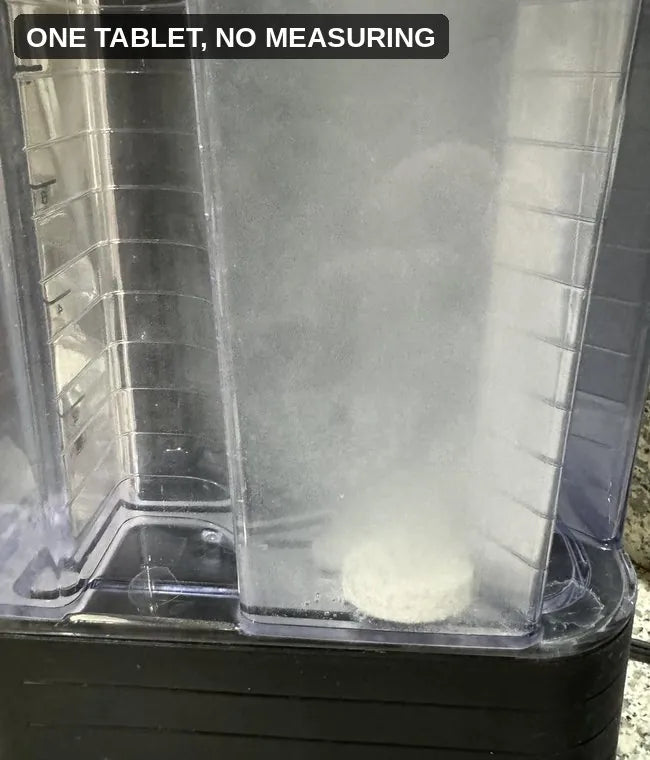
The only remaining question was whether anyone could make that process simple enough for people who rely on their coffee machines every day.
A dedicated cleaning brand recognized the problem and created a purpose-made tablet to simplify regular machine maintenance.
It combines three practical ingredients in a premeasured format.
And that's what makes it appealing to coffee drinkers:
Instead of treating every off-tasting cup as a reason to buy different beans, it gives the machine itself the care it may have been missing.
The tablet is designed for mineral scale and coffee oil residue in suitable machine-cleaning routines.
Here is how it works:
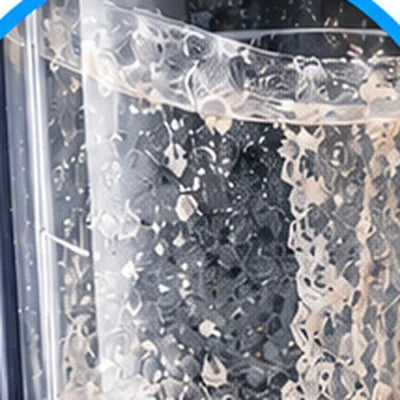
Citric acid helps dissolve mineral scale that forms inside water-contact pathways and heated parts of compatible coffee makers.
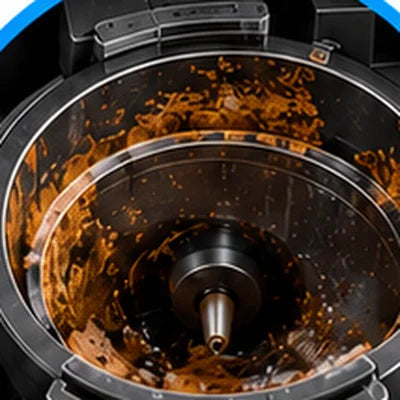
Sodium carbonate helps break down oily residue left behind by coffee.
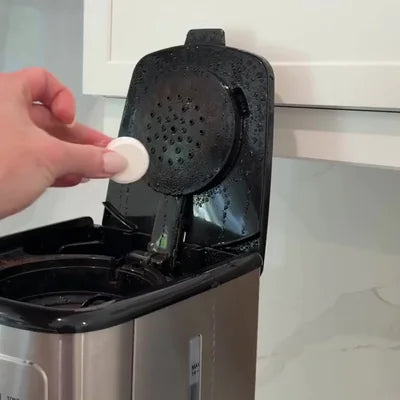
Sodium lauryl glutamate is a cleaning agent that helps lift coffee oils from the surfaces the product is meant for.
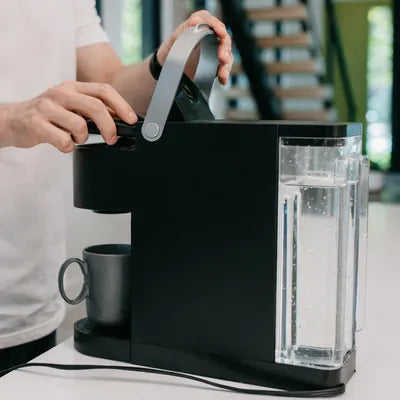
Run the machine's brew or descaling program without coffee, then the fresh-water rinse the product and your coffee maker's instructions call for.
That last step is essential before making your next drink.
The routine cleans and descales the machine where suitable, not just the cup you pour the coffee into.
The parts where unwanted deposits can form.
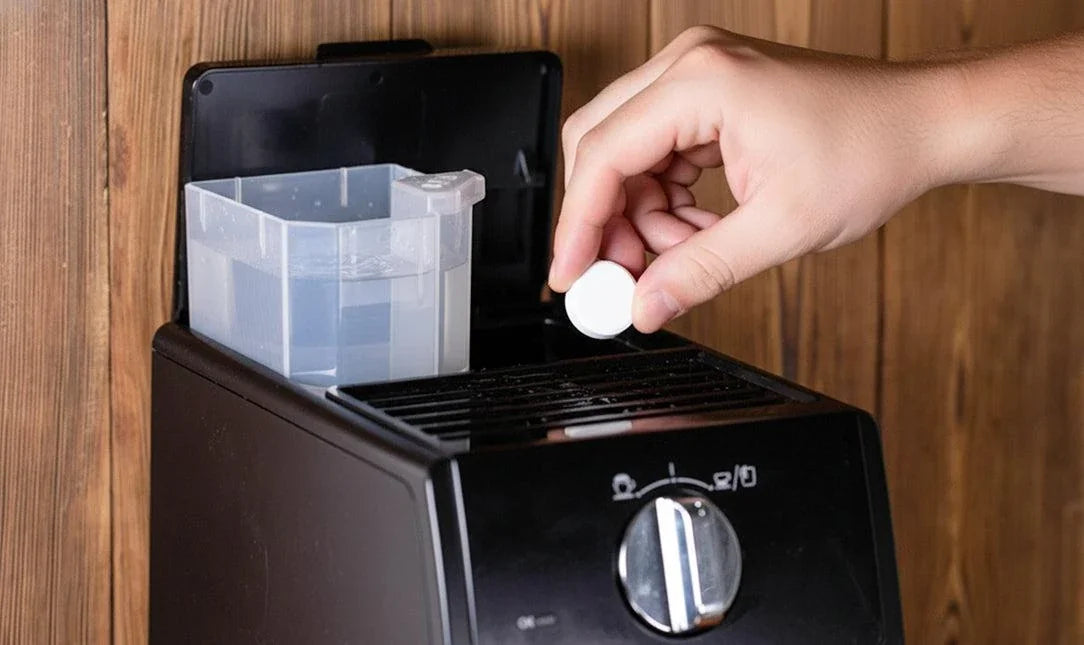
And now coffee drinkers can give the machine on their kitchen counter a dedicated cleaning routine.
If you've ever wondered why your favourite coffee doesn't taste quite the same anymore...
Machine maintenance may be one of the missing pieces.
That solution is available under a name you may already have seen online:
BLITZ Coffee Maker Cleaner.

It comes from a Canadian cleaning company that helps households care for the appliances they rely on every day.
As coffee drinkers reported changes in taste, scale in their machines and frustrating maintenance routines, the brand focused on an easier way to care for the equipment.
They saw a pattern in the complaints homeowners were describing.
They saw the difference between brewing another cup and cleaning the coffee maker itself.
And they understood why plain-water cycles and changes in coffee beans weren't always the complete answer.
So BLITZ created a premeasured tablet with ingredients chosen for mineral deposits and coffee residue, giving households a convenient option for compatible machine-care routines.
Word began spreading among people who wanted a simpler way to maintain their coffee makers...


People weren't just changing their coffee beans again.
They were finally giving their coffee maker its own cleaning routine. And seeing results that were different from simply brewing another pot of coffee.
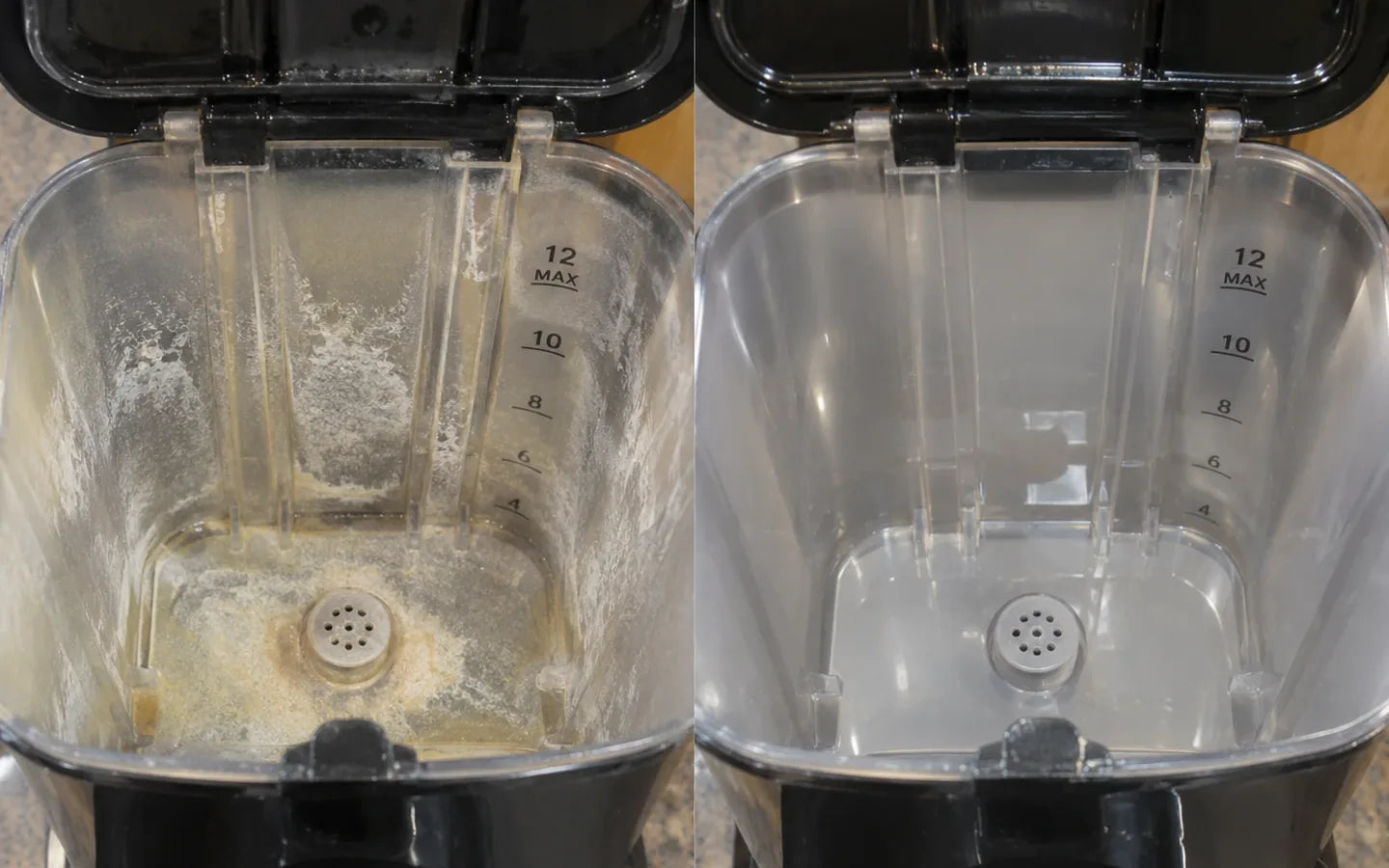
Water Reservoir
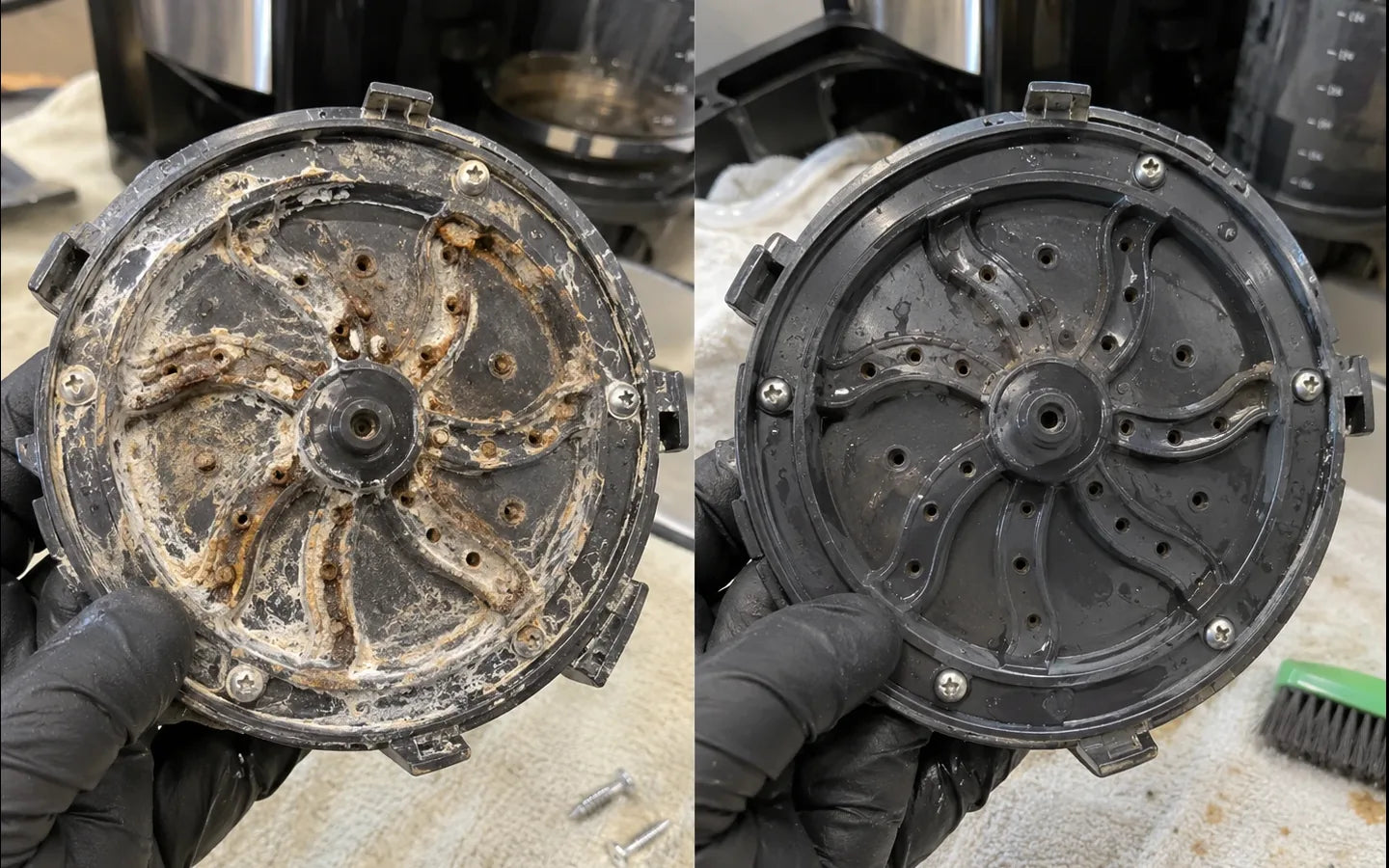
Water Dispersion Plate
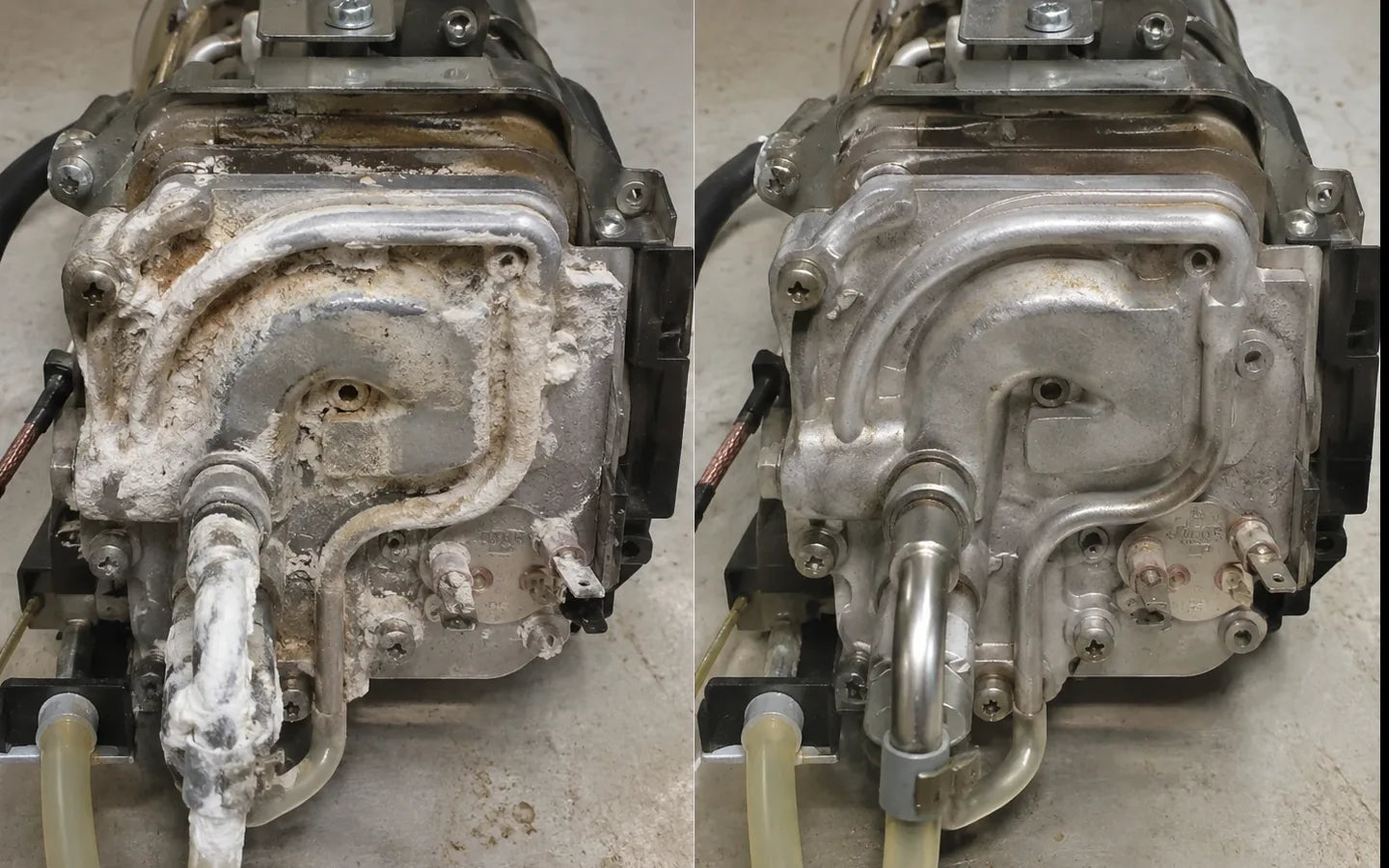
Heating Element
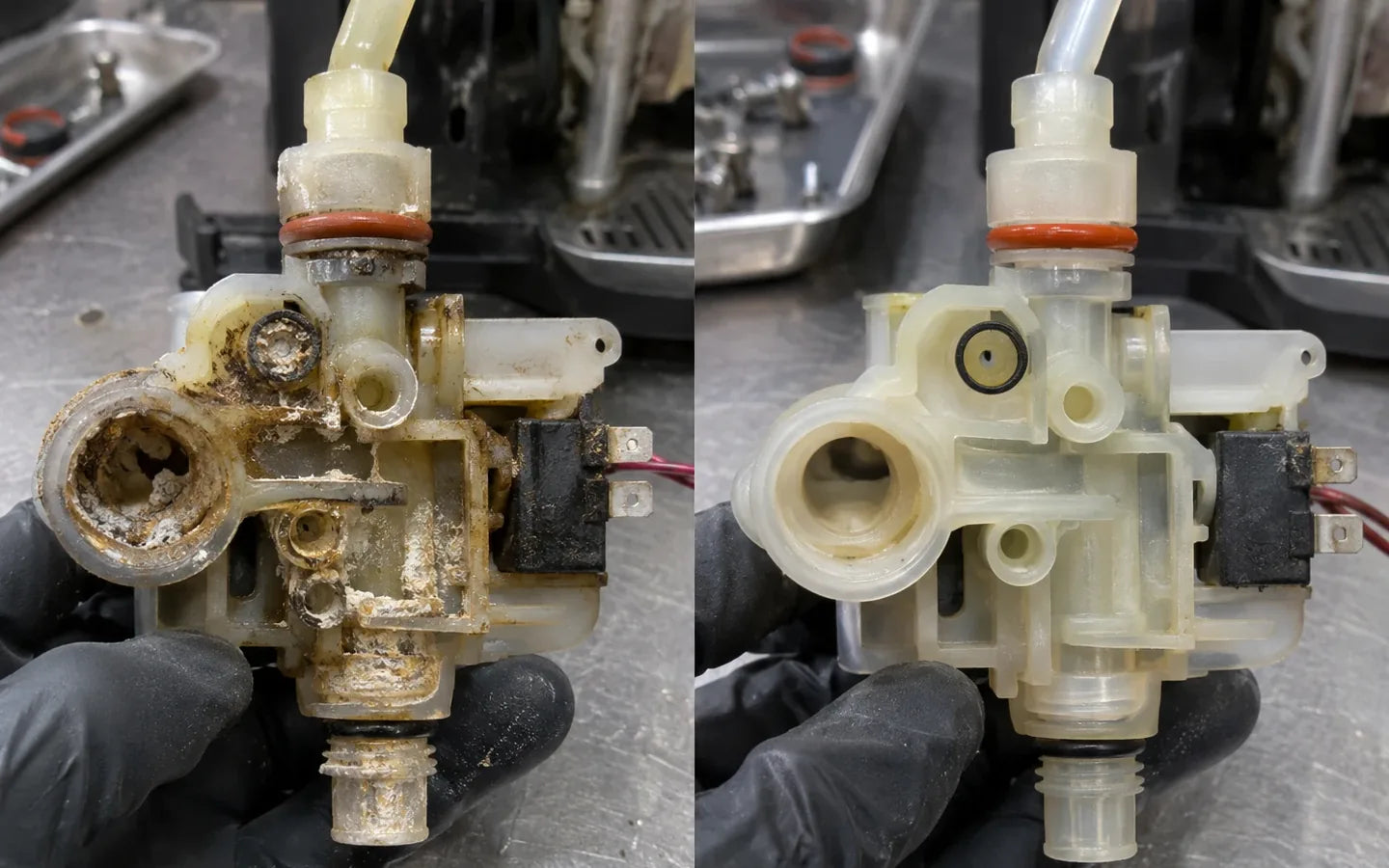
Water Valve
If you want to see whether this dedicated coffee-maker cleaning approach suits your own machine, you can find the tablets on the official BLITZ website.
The deal below is available exclusively on the official BLITZ website.
And right now, there's a limited introductory offer for new customers.
Buy 2, Get 1 Free72 cleanings, your best value and three full years of coffee maker careExperts recommend keeping your machine on a regular cleaning schedule to stay ahead of the buildup rather than waiting for the smell to return.
Availability changes frequently, especially when the product circulates through home-care or pet-owner communities.
You can check availability and current pricing through the link below.
Click here to see if BLITZ Coffee Maker Cleaner is still in stock Check Availability