



Why Does My Coffee Suddenly Taste Bitter? 10 Checks and Fixes
Coffee that turns bitter overnight usually means one thing changed: a grind that drifted finer, a new or darker roast, a bigger cup size on a pod machine, or a machine due for cleaning (old coffee oils, or scale slowing the brew). Test the machine first, since it takes a minute: brew plain water into a white mug. If it comes out tinted or tastes of old coffee, clean and descale it (one BLITZ tablet, then a fresh-water rinse); if it's clean, work through the other checks one at a time.

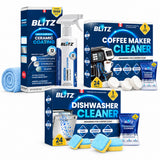
Shop BLITZ Coffee Maker Cleaner, $24.95
In this guide

Bitter, sour or stale? Name the taste first
Bitterness is a clue, not a diagnosis. Coffee tastes bitter when too much is pulled out of the grounds (over-extraction): grind too fine, too much water for the coffee, too long a brew. Breville's espresso manual puts it plainly: a shot that runs over 40 seconds is "over extracted, bitter, astringent"; one that runs under 20 seconds is "underdeveloped, sour".
So taste one sip slowly. Harsh and drying, lingering after you swallow: bitter. Sharp, thin and lemony: sour, the opposite problem (too coarse, too short, water not hot enough). Rancid, like an old pot: the machine. Flat and dull: stale coffee.

The four numbers behind a balanced cup
Several checks compare your coffee to these targets, from the Specialty Coffee Association's (SCA) brewing best practices (archived January 2024) and Breville's espresso manual: water at 90 to 96°C where it meets the coffee (about 195 to 205°F), 50 to 60 g of coffee per litre (about 14 g for a 250 mL mug), 4 to 6 minutes of contact for drip, and 25 to 35 seconds for an espresso shot.

The 10 checks, in order
Our order puts the quickest tests and the likeliest causes first. We start with the machine because its test takes a minute and rules it in or out. Change one thing at a time and taste after each change, or you won't know which one fixed it.
1. Old coffee oils inside the machine
Coffee leaves oils on the basket, carafe, pod holder and espresso shower screen. The National Coffee Association (NCA) warns that a build-up of coffee oil "can make future cups of coffee taste bitter."
1-minute test: run a brew with water only, no coffee, into a white mug. If it comes out tinted, or smells and tastes of old coffee, you've found it. Smell the empty basket or pod holder too: a stale, rancid smell is oil.

Fix: wash the basket, carafe and removable filter in hot, soapy water, then run a cleaning cycle for the inside (BLITZ steps below). Between cleanings, keep up the machine's own routine: monthly cleaning on a Nespresso Vertuo Next, the CLEAN ME back-flush on a Breville.
2. Scale, and the temperature it throws off
Minerals from the water coat the heater and the lines. De'Longhi lists the signs: slower heating, a slower brew, coffee not as hot as usual, and a change in flavour. Cuisinart says a flashing Self Clean light means calcium is affecting "the flavour of your coffee."
Our read: scale can push the taste either way. A slower brew leaves water on the grounds longer, which pulls out more bitterness; cooler water extracts less and tastes flat or sour. If your cup is bitter and the brew got slower, scale is a good suspect.
1-minute test: a white, chalky crust in the reservoir or under the shower head, a descale light, or a brew that got slower all point to scale.
Fix: descale with one BLITZ tablet: it breaks down scale and coffee oils in the same cycle (a second tablet for heavy scale). Scale comes back faster with harder water: about 117 mg/L in Montréal, 50 to 61 in Laval, 32 to 45 in Gatineau. Check your city's water hardness, see how to remove limescale, brand by brand, and which parts need cleaning vs descaling.
Clean and descale in one cycle: BLITZ, about $1.04 a clean
3. The water
Keurig recommends bottled or filtered water if you taste chlorine or minerals, but not distilled; the NCA says cold water, filtered if possible, and to avoid distilled or softened water.
1-minute test: taste a glass of the same water you put in the reservoir. Then ask what changed: a move, the cottage well, a new softener, a pitcher filter past its date, or water that sat in the tank for days (Breville says to replace it daily).
Fix: fresh, cold, filtered tap water every morning. Skip distilled and softened water.
4. New beans, a darker roast or an old roast date
A new bag is the change people forget. The NCA describes dark roasts (French, Italian) as shiny, oily beans with "a pronounced bitterness," so they taste more bitter than last month's medium roast brewed the same way.
1-minute test: put the new bag next to the old one. Compare the roast level, the roast or best-before date, and the beans: shiny and oily means a dark roast.
Fix: go back to the roast you liked, or grind the new one a notch coarser and taste again.
5. The grind
Too fine is the classic cause of bitterness. Cuisinart's manual: "If the grind is too fine, overextraction and bitterness will result." Grinders drift, dials get bumped, and pre-ground bags vary.
1-minute test: rub a pinch between your fingers. For drip, the NCA's medium grind feels like kosher salt; powdery is too fine. For espresso, time the shot: Breville says a shot that drips but doesn't flow after about 15 seconds is ground too fine or overdosed.
Fix: one step coarser, then taste. Change only one step at a time.
6. The dose: coffee to water
Scoops drift. Too little coffee for the water gives a thin, harsh cup; too much, a heavy one. The SCA's target is 55 g per litre; the NCA says 1 to 2 tablespoons per 6 ounces. And the "cups" on a Cuisinart Brew Central carafe are 5 oz (142 mL), not mugs.
1-minute test: weigh your usual scoop on a kitchen scale and measure the water once.
Fix: aim for 50 to 60 g a litre, about 14 g for a 250 mL mug, then adjust to taste.
7. How the coffee is stored
The NCA calls air, moisture, heat and light coffee's "greatest enemies." Once opened, whole beans keep 1 to 3 weeks at room temperature, ground coffee 1 to 2. Stale beans brew coffee that "may taste stale": if your cup is dull rather than harsh, look here.
1-minute test: when was the bag opened? Is it in a clear jar, or beside the stove or the dishwasher?
Fix: an airtight, opaque container in a cool, dark cupboard, and smaller bags, enough for one or two weeks. If you freeze beans, take out a week's supply at a time.
8. The filters: basket and water filter
In the basket, the NCA says metal filters must be cleaned thoroughly to remove "lingering residual flavors or oils," and paper filters rinsed first to avoid a papery taste. In the reservoir, a charcoal water filter wears out: Keurig and Breville say change it every two months, Cuisinart every 60 days or 60 uses.
1-minute test: hold the permanent filter up to the light (a brown film or blocked mesh means oil), and read the date on the water filter.
Fix: wash the permanent filter in hot, soapy water, rinse paper filters, replace an expired water filter.
9. Pods and capsules
A pod holds a fixed dose, so the cup size is the ratio. Nespresso says each capsule is made for one volume (25 mL ristretto, 40 mL espresso, 110 mL lungo on the Original line) and past it the coffee will "taste bitter." On a Keurig, a bigger size pushes more water through the same grounds, and grounds in the cup mean clogged needles.
1-minute test: check the best-before date on the box (the NCA says unopened pods keep until then), the size button you pressed, and whether grounds are floating in the cup.
Fix: brew each capsule at its own size; for a bigger drink, brew it and add hot water. On a Keurig, go back to your usual size (the K-Elite's STRONG button gives a bolder cup) and clear the needles with a straightened paper clip.
10. Brew time, and the hot plate
A brew that runs long over-extracts. The SCA's drip window is 4 to 6 minutes of contact; Breville's espresso window is 25 to 35 seconds. A clogged basket, too fine a grind or scale (check 2) all stretch it.
1-minute test: start a timer when water hits the coffee. Then compare a cup poured right away with one from a pot that sat on the warming plate: if only the second is bitter, the plate is the problem, not the brew.
Fix: bring the time back into the window (grind, dose, descale). Our tip: pour coffee you won't drink right away into an insulated carafe.
Bitter right after cleaning or descaling?
That's a different problem: usually leftover cleaning solution or vinegar in the lines, and the fix is more fresh-water rinses. See bitter coffee after cleaning: what to check first.
Cleaning the machine with BLITZ
Checks 1 and 2 are the ones a new bag of beans won't fix. BLITZ Coffee Maker Cleaner breaks down scale and coffee oils in the same cycle, in pod machines (K-Cup brewers included), drip coffee makers and espresso machines.
- One tablet. Drop it in the reservoir (in a pod machine, in the pod holder with no pod, largest cup size), run a cycle without coffee, then one full cycle of fresh water.
- A year in a box. 24 tablets for $24.95: two cleanings a month for 1 to 2 cups a day, about $1.04 a clean.
- Rated 4.8 out of 5 (14 reviews) on goblitzclean.com. Septic-safe.
- A Québec company in Laval, with service in French and English. Free shipping from $40 ($7.95 below), most orders in 2 to 3 business days, 10% back in store credit, 30-day money-back guarantee (refund policy). Also on Amazon.ca.

Frequently asked questions
Why does my coffee suddenly taste bitter?
Something changed: the grind, the beans, the cup size, or the machine (coffee oils or scale). Brew plain water into a white mug first; if it comes out tinted or tastes of old coffee, clean and descale, otherwise check the grind and beans.
Can a dirty coffee maker make coffee bitter?
Yes. The National Coffee Association says built-up coffee oil can make future cups taste bitter, and De'Longhi lists a change in flavour as a sign of scale. Wash the removable parts and clean the inside with a cleaning cycle.
How do I know if my coffee is bitter or sour?
Bitter is harsh and drying and lingers after you swallow; sour is sharp and thin, like lemon. Bitter usually means too much extraction, sour too little (the taste chart above has the fixes).
Does hard water make coffee bitter?
Mostly through the machine: the scale it leaves can slow the brew and change the water temperature. Descale more often if your water is hard, and use filtered water if you taste minerals, as Keurig recommends.
Why does my Keurig coffee taste bitter?
Check the brew size first: a bigger size pushes more water through the same pod. Then clear the needles, run a water-only brew to see if it comes out clean, and descale if it's been more than 3 months or the light is on.
How do I make coffee less bitter fast?
Grind one step coarser, check your dose against 55 g a litre, and don't leave the pot on the warming plate. If that doesn't help, run the water-only test and clean the machine.
Read next: How to Descale a Keurig, Model by Model · Coffee Maker Descaler vs Vinegar
Sources: Specialty Coffee Association brewing best practices (archived copy of January 2024; the SCA page has since moved), National Coffee Association (aboutcoffee.org), Keurig, Nespresso, Breville, Cuisinart and De'Longhi manuals and support pages, and city water reports, checked October 20, 2026. Keurig, K-Cup, Nespresso, Breville, Cuisinart and De'Longhi are trademarks of their owners; BLITZ is not affiliated with them.
GET THE FLAVOUR BACK
BLITZ Coffee Maker Cleaner
One tablet for scale and coffee oils, then one fresh-water rinse. Pod (including K-Cup), drip and espresso machines. 24 tablets, a year at twice a month, $24.95.

Rated 4.8 out of 5 (14 reviews) on goblitzclean.com.


